
Proofs Against Sullenness

I’d snatched some time at a coffee shop in downtown Washington: one of those hip places with gleaming white subway tile backsplashes and vintage floors made of black and white hexagons, laid out in a perfect pattern. It took some discipline and a few minutes of staring off into space to get into the zone. Resisting the urge to check email or text or fall for one of the myriad other ways we modern women have for turning our attention away from the task at hand, I waited. Eventually, my patience was rewarded. Sure words started seeping out by slow degrees.
They were interrupted none too soon by the arrival of a matcha latte. I’ve been slumming it with a bag of low-grade Walmart matcha mixed with honey and protein powder then shaken to perfection in an old relish jar. It’s not a bad system, truth be told. What it lacks in luxury, it makes up for in efficiency, cost effectiveness, and charm. Giving a new lease on life to cast offs—old clothes, old frames, old jars, old things in general—is quite fulfilling. Still, as the latte was borne towards me, I sat back smiling. A beautifully appointed steaming drink, in a beautiful mug, with a beautiful pattern on the top—what followed would surely be an unmitigated treat.
What followed was disaster.
I decided, after a sip or two, that something was missing. I needed something sweet. And so, intent on making my coffee shop experience as perfect as could be, I stalked over to the condiment bar, grabbed the honey, and returned to my table by the window, beaming. Soon, everything would be perfect. I tipped the plastic bottle up and squeezed, vigorously—so vigorously in fact that the plastic lid squeezed right off the bottle and fell with a splash into my drink.
Oh horror. The plastic lid was swimming, almost completely submerged, in a green sea. The lidless bottle in my other hand was covered in honey, as was the table, the saucer, the handle of the cup, and the corner of my laptop perched mere inches away. Tearing my eyes away from the bloodbath below me, I stole a mortified glance over my shoulder wondering how my idyllic afternoon could possibly have turned into such a horror show. And so fast! Just a moment before I’d been grinning like an idiot—even as the blood drained from my cheeks, that idiotic smile was still frozen in place.
Never in my life have I seen another coffee shop patron faced with such a fix. Some people have all the luck. I knew what had to happen next: an embarrassing plunge, that if I was lucky, would somehow evade the rapt attention of the general public. There was nothing for it but to fish the offending lid out of my drink and hold it gingerly, a few inches above the rim so that my ill-fated matcha could drain slowly back into my cup.
I did what had to be done. Honey was absolutely everywhere. And now my luck, already poor, plunged decidedly farther south. Not one member of the aforementioned world-at-large saw my predicament. No friendly fellow writer or book reader or coffee house dweller paused in their respective pursuits to offer a timely helping hand which in my case would have been a napkin. I was invisible, honey hands and all. As the matcha honey mess dripped out of the lid and back into my drink, drop by drop, I considered.
We mortals have our limitations and one of mine is having just two hands, a limitation that severely restricted my next move. I couldn’t let go of the lidless bottle, now positively glued to my hand with honey, in order to carry my ill-fated drink and the still-dripping lid over to the counter. But by the same token, I couldn’t carry the still dripping lid on its own any more than I could set the honey covered bottle back down on the sticky table. I still don’t know exactly what came next—I must have put the offending lid down somewhere because next thing I knew, I found myself carrying a lidless bottle of honey towards a bemused staff member and trying to explain what exactly had transpired. The explanation did not go well. I relinquished the bottle, retrieved and relinquished the lid, then turned to damage control.
That first sip of severely honeyed matcha was enough to make my eyes water.
And the beautiful sentences I had written thus far had lost some of their bite. “The lake was lovely today, moody and brooding. Sullenness becomes her. The same cannot be said of me.” The essay was supposed to begin that way—with sentences that I’d labored over so proudly—before progressing towards the heights and depths of human experience. Stickiness has a way of sapping such progress. How could I tap out an essay on keys that kept sticking to my fingers.
As it turns out, I couldn’t.
Appropriately chastened, nothing much remained of the sullenness that I’d been hoarding like a miser for the preceding hours and days. Walking briskly in the bright blue air of November sometimes does the trick and clears out the cobwebs that descend every year at about this time. But so, as it turns out, does venturing into a coffee shop and listening to the buzz of busy city dwellers every now and then. People busy about their own lives, pursuing their own loves and mourning their own losses, puts our own living, loving, and losing into sweet perspective. It engenders this sense of togetherness—that we really are as Dickens puts it “fellow passengers to the grave and not another race of creatures bound on other journeys.” It’s good to know our trek to the grave isn’t undertaken alone. Perhaps that’s why gratitude crops up in spades in coffee shops. It’s human interest, welling up, that makes us curious about each other but happy with at least a table’s length of distance. Not too close, but close enough to share a smile.
And so I give you for your enjoyment and employment certain proofs against sullenness sure to hold all us fellow travelers in good stead through the coming darkening days (yes, dear reader, it can indeed get dark still earlier): frequent brisk walking, frequent matcha drinking, frequent engagement with the busy world of people. Because at the end of the day, at life’s twilight, wouldn’t it be better, far, to have lived engaged.
In a recent lecture I attended, a lecture which, if all goes swimmingly, I will write about soon, a Hungarian monk from Pannonhalma advised his audience on the beauty and utility of teaching young men to be committed to something: to sweat in the pursuit of excellence. We are increasingly jacks of all trades and masters of none—a devolution assisted by technologies that have given us the illusion of immediate mastery. Our lives have become too easy. There’s very little matter left to press against. Not much makes us sweat, let alone work our fingers to the bone. Ease has robbed us of the opportunity to learn self-mastery and the chance to practice the mastery of matter.
Perhaps it’s especially true for men—I’ll leave that issue in the capable hands of those who are tasked with raising men like the Benedictines of Pannonhalma. But for women like me, the key to navigating November and the bleak months to come includes engaging as much as possible with the real breathing world. Find matter to master. Look for the things that can push back. Leave the house in clothes that look lovely. Don’t walk and text. Find activities that require focus and inspire excellence: things that can be practiced and improved upon, things that don’t deliver perfection on the first go. Practice baking bread or knitting or playing piano so that the hours invested in quiet will bear good fruit when the days start getting longer.
Hibernating is a good idea at this time of year, too, but hibernate with an end in mind. Read (preferably Dickens, John of the Cross or Merton). Reflect. Retreat to count blessings like the falling leaves and to seek the face of the Creator. As the collective stripping of the leaves takes place, we lose our cover—why not lean into the lesson unfolding at our feet and learn from the poverty revealed by the falling fig leaves. Leave the lonely branches bare for awhile. Let Him do the work of preparation that must be done before winter comes in earnest. Let Him work in silence as He does best.
Silence is a condition precedent for self-reflection, growth, and the behind-the-scenes work of virtue that births creativity and new holiness. Silence is free, but it cuts through the cheap plastic world like diamonds (the confirmed love of every woman’s life). Those who immerse themselves in silence take to themselves bits of that brilliant light. Like the stars, our souls grow strong and supple in silence. That’s what hibernating well requires: silence instead of screentime. Less fake stuff. Less illusion. More hard work. More reality. More rest as a reward for work done well.
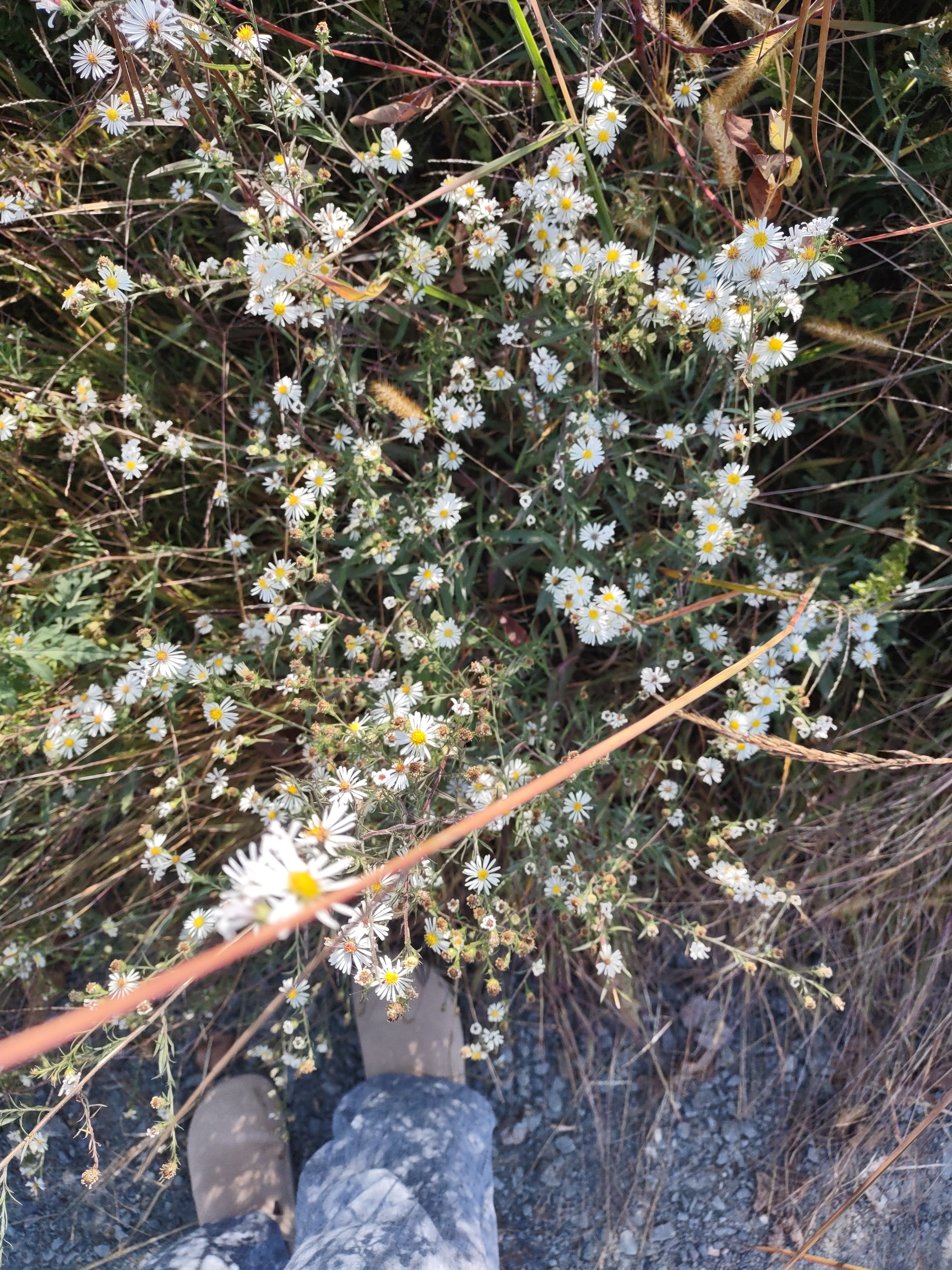
Silence and solitude can be grim masters or great friends, not unlike the walls of a cell. Those two won’t brook whining and as such, upon their approach, sullenness dissolves underfoot, into mowering leaf mold.1 Let’s have a brisk and bright fall, shall we, not a sullen one. Shun sullenness. Grow old like the leaves on trees that retire in brilliance—engaged to the full in the bright business of living, falling only once they’ve rallied the last drop of vigor to the cause. Theirs is the sleep of peace I envy, down there on the cold hard ground beneath the trees. They earn the rest of the good and faithful servant who saw the end approaching and raced through November to the cross, eager to be shaken down, ground together by booted feet, and found worthy of becoming the soil for new life in a springtime to come.
Sullenness is an ungrateful thief after all. She cares nothing for us, tints what we love with a deep-dyed shade of woe-be-gone, then gives us nothing in return but compounding misery. And we wayfarers have this bright world still to love—even in November. Who has time for sullenness with reality in the offing, eagerly begging us to roll up our sleeves and take up the commission given to our parents in Eden. Master the garden. Grow in gratitude. Love reality with her warts and wrinkles, with all the spilled milk and sticky honey messes that accompany the glorious comedy, the glorious cross of being human. And when all else fails, when bright November becomes gray November, take refuge in a brightly lit café and a matcha latte (sans the proverbial quart of honey).
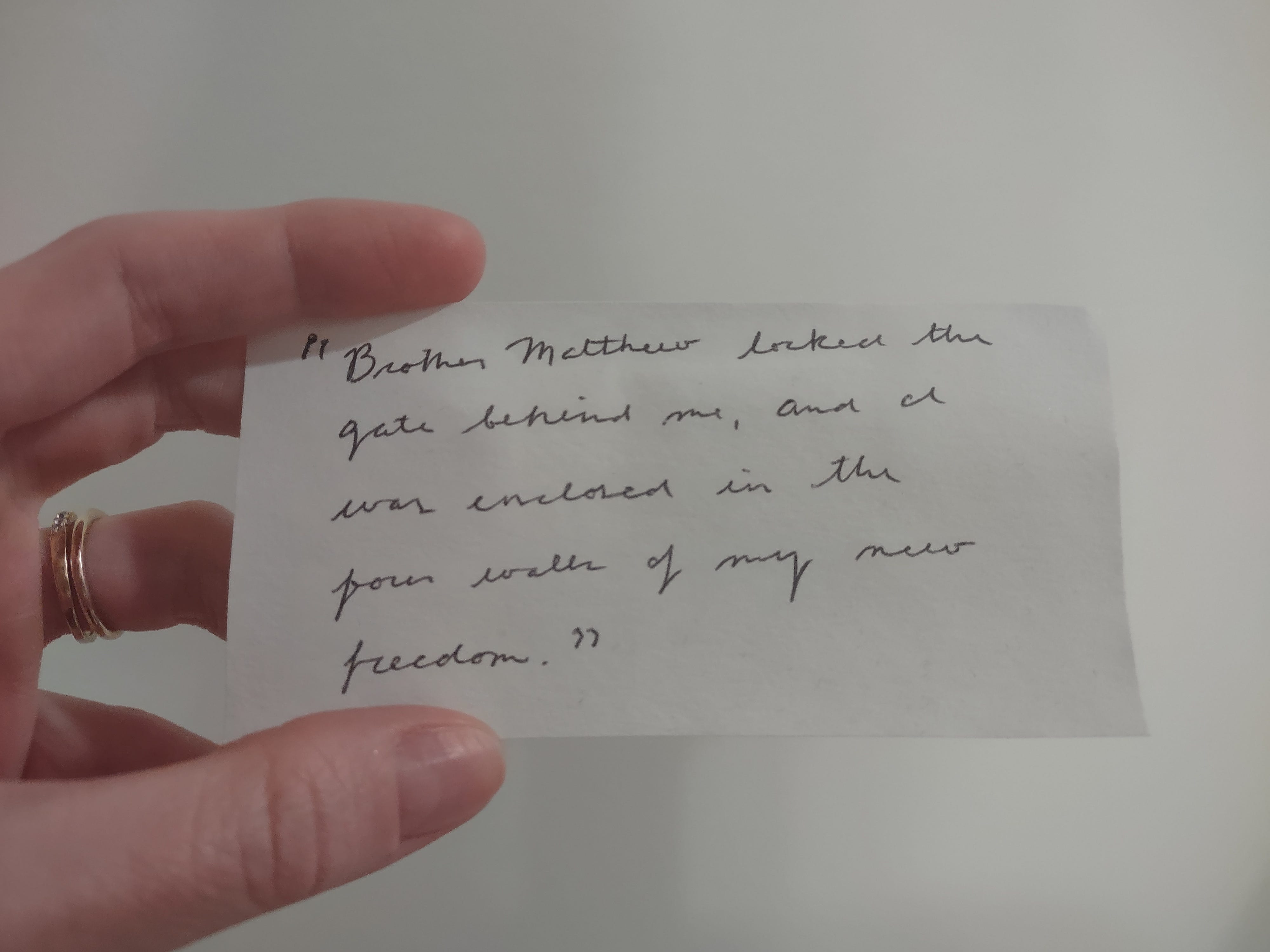
I could have sworn I’d seen this word before because I know just what it means - a cross between molding and glowering. Sadly, no proof of this memory of mine exists on the world wide web but I’m retaining the word because it sounds like what it would officially mean, if it were accepted by the world at large and not just by me.
Great to "hear from" you again. :)