
A Wife's Work
The Bory Castle at Székesfehérvár

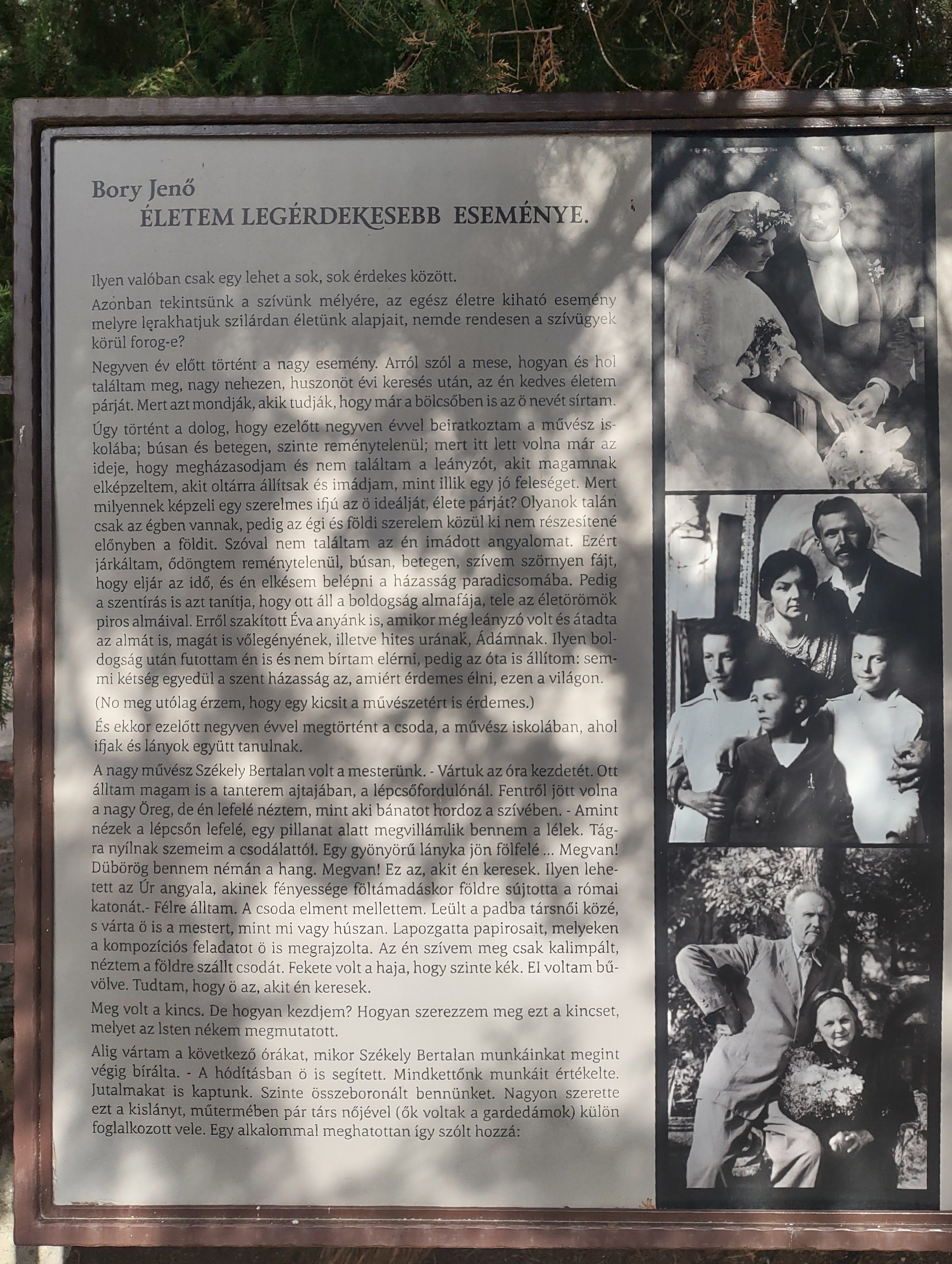
She was an artist, a painter, and a lover of the beautiful. He was a sculptor, an architect, and a man in love with his wife. They met in art school in Budapest and married in 1907. Eventually they bought an acre of land with a wine cellar and wine press on the edge of Maria Valley. Twin daughters in tow, they moved in, and he began to build.
For forty summers, Jenő was hard at work. First, he built his wife a house, then an art studio then gardens with porticos and columns, until eventually their home became an eclectic rambling kind of castle. Jenő worked out the plans as he went. Walls and ramparts, roofs, and railings sprouted out of the ground under his talented hands like the tendrils of a dream. He took concrete and made stairways, arches, towers—quite a talent, that—and the house was always growing. His hands were always vibrantly busy. If you’d asked Jenő when he started what it was that he wanted the place to look like when he finished, well—I wonder what he would have said.
But mostly, I wonder about his wife. Did she like living in a construction zone? Did she wish for quiet, or for the never-ending projects to finally be finished? What did she say about the tools that must have been left perpetually underfoot?
She must have laughed and gloried in the dreams her husband had because you get the sense, wandering around the rambling rabbit warren that Jenő built for his artist wife, that the dream he had was shared. She was no sculptor, but she inspired his work as she sat, busy with her paintbrushes, content to let her husband tear down walls and build new wings. And when she complained about the dust, he built his wife a better art studio so that the dust he delighted in mixing and molding wouldn’t disturb her work.
In the winters, Jenő returned to Budapest to teach at the College of Fine Arts. He never tired. He sculpted by commission and designed memorials across Hungary. And in all likelihood, while he worked, he dreamed up the next phase of summertime construction. Meanwhile, the lady of the house kept painting, delighted and delighted in. Year by year, she turned the concrete castle into a garden. Year by year, it grew and greened. It’s easy to picture Ilona—painting by day in the fading fall light, then speeding up to Budapest by train to see her husband. Maybe she brought her children—two girls and a boy by then—to meet her husband’s students and to watch them work. It’s just a guess, but maybe at Christmastime, the particularly sensitive souls in Jenő’s classes came home to Székesfehérvár for the holidays. They would have needed a place to rest and be refreshed and what better place than the artist’s home, itself a piece of art that needed to be shared, appreciated, and loved.
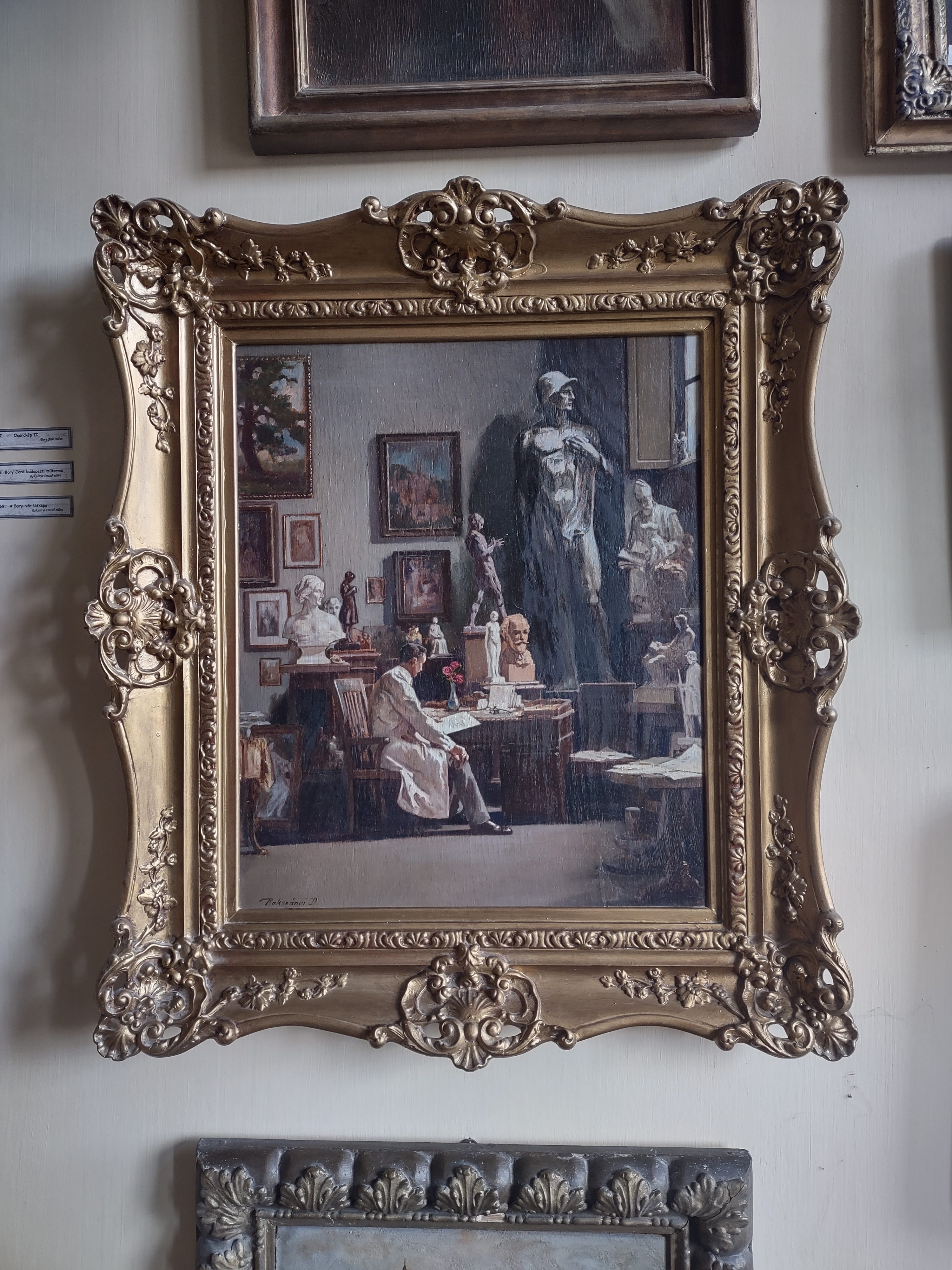
Bory castle is full of art, and it’s not just Ilona’s. Jenő painted too. And there are other pieces, painted by friends, fellow creatives, and aspiring artists from Jenő’s classes. The cranky and cantankerous found a special home in Székesfehérvár as did the pieces that they painted. Sometimes the single-hearted pursuit of the beautiful drives artistic types quite close to the sun. Like Icharus, relentless assent can leave them with scars and make them keenly susceptible to suffering. For them, the house in Székesfehérvár must have been a balm because it was built on something beautiful: the fruitful love of a faithful husband and wife.
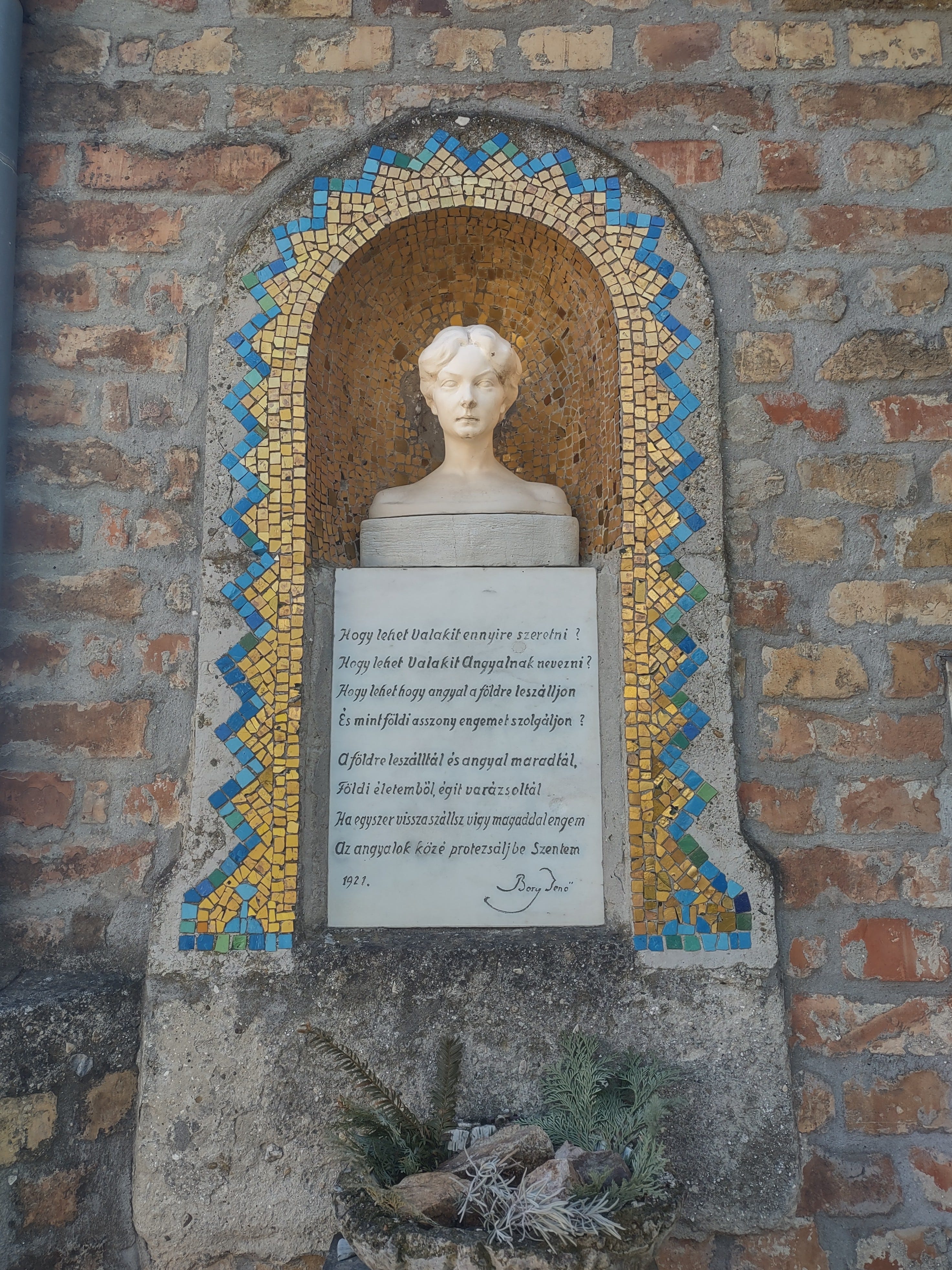
The house is full of poetry, paintings, and sculptures of Ilona, wrought by her loving husband. And at the back of the back garden, Jenő built his wife a kind of shrine. He set a sculpture of her in an alcove, then filled the backdrop with goddesses of the ancient world to stare down enviously at his peerless wife. One wonders what the wife thought about her husband’s devotion: was the shrine a surprise? I’d like to think it was, and that she laughed and blushed and chided—and her laughter made Jenő’s heart sing with springtime.
That lingering laughter reminds me of A Severe Mercy, and the days that Van and Davy spent sailing the world together on a sailboat before they met the cross. There’s a scene from that book: where Van surprises Davy by taking her flying at sunrise. He fills the cockpit with lilacs, and in the sunrise as he turns the plane, the flowers fly out and his whole vision is full of her laughter and the morning light and the trailing petals.
Women have this gift—this grace—to inspire and uplift, and I think that’s much of what it means to be a wife. Bory castle echoes with the laughter of the woman who helped her husband dream. She probably pushed him on to better projects—like the casts of the statues of the holy family and the Hungarian saints that line the back garden. I don’t care to beat out Venus for her place in the eschaton, dear husband, finish the fountain instead.
The dust has settled on the castle now. There are no more tools and no more projects. A cat patrols the spiral staircase like a silent apparition. Wind whistles through the tall pine trees that tower over the garden, then rushes past the ramparts Jenő built. The rambling house is empty but for the occasional tourist. But I’d like to think that especially on Mother’s Day, the children and grandchildren of Jenő and Ilona remember the overwhelming love that their grandparents shared and smile up at what it made.
……and I think you may be right!! :)